
After two years of collaboration with communities, organizations, and local governments, the Strengthening Inclusive Disaster Risk Governance for Climate Resilience in Asia (SIDRRA) Project formally marked its closeout through a gathering of partners, implementers, and stakeholders.
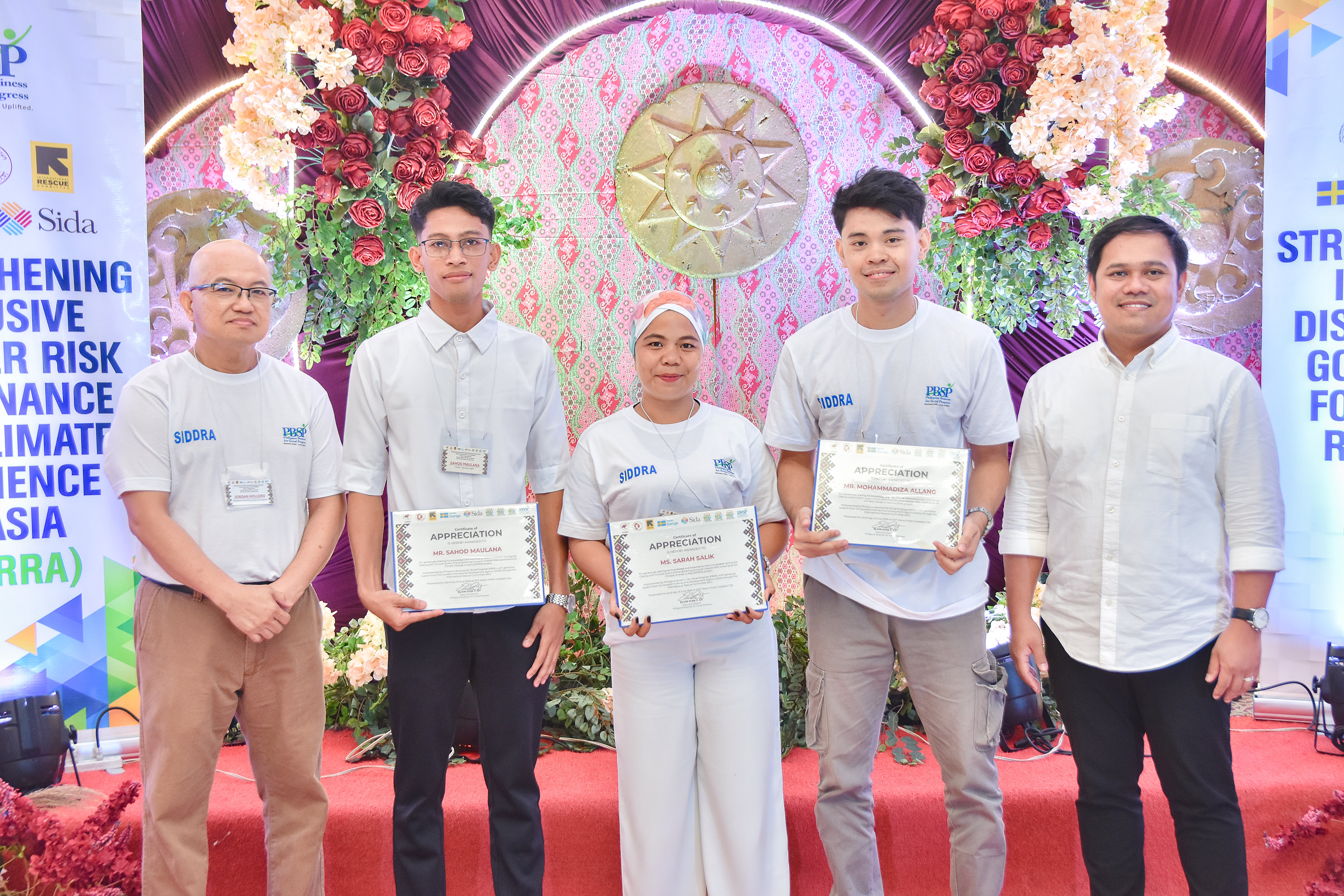
After two years of collaboration with communities, organizations, and local governments, the Strengthening Inclusive Disaster Risk Governance for Climate Resilience in Asia (SIDRRA) Project formally marked its closeout through a gathering of partners, implementers, and stakeholders on June 22, 2026 in Cotabato City. More than a project completion event, the closeout served as a moment to reflect on shared milestones, recognize contributions, and reaffirm the collective commitment to advancing inclusive disaster risk governance and climate resilience.
Representatives from Bangsamoro Autonomous Region in Muslim Mindanao (BARMM) ministries, local government units, and civil society organizations came together to celebrate the progress achieved through SIDRRA and acknowledge the people who helped drive its implementation. Among those present were International Rescue Committee (IRC) MEAL Manager Ivan M. Limjap, PBSP Grant Management and Implementation Manager Amanda Bacani, Project Manager Jordan Hollero, Senior Program Officer Samson Pedragosa and the PBSP-SIDRRA team together with other project stakeholders and collaborators who played key roles throughout the initiative.
Implemented across 10 countries funded by the Swedish International Development Cooperation Agency (Sida) through the IRC, the project worked to strengthen inclusive approaches to disaster risk governance by amplifying local voices, promoting collaboration, and supporting communities most at risk from climate-related disasters. Throughout the project, partnerships became central to delivering meaningful outcomes creating spaces where local institutions and communities could contribute to decision making and resilience-building efforts.
Reflecting on the project’s two-year journey, the project team highlighted how SIDRRA strengthened inclusive disaster risk governance by placing communities at the center. To help sustain project gains beyond implementation, the project also supported the organization and accreditation of community core group members into People’s Organizations (CORE Association) in the three municipalities of Datu Saudi Ampatuan, Guindulungan, and Mamasapano, providing a platform for continued engagement and collective action beyond the life of the project.
Although the project has formally come to a close, the work itself continues. CORE members from the three municipalities reflected on lessons learned and opportunities to build on the relationships, knowledge, and systems established through SIDRRA. The event emphasized that resilience is not built through isolated interventions but through long-term partnerships and continued engagement.
Drawing from his experience throughout the project, Mohammadiza Allang, President of CORE Mamasapano Association, believed the initiative opened opportunities for greater participation and encouraged broader engagement among sectors that are often underrepresented. His experience highlights how local leadership can grow when communities are given support and opportunities.
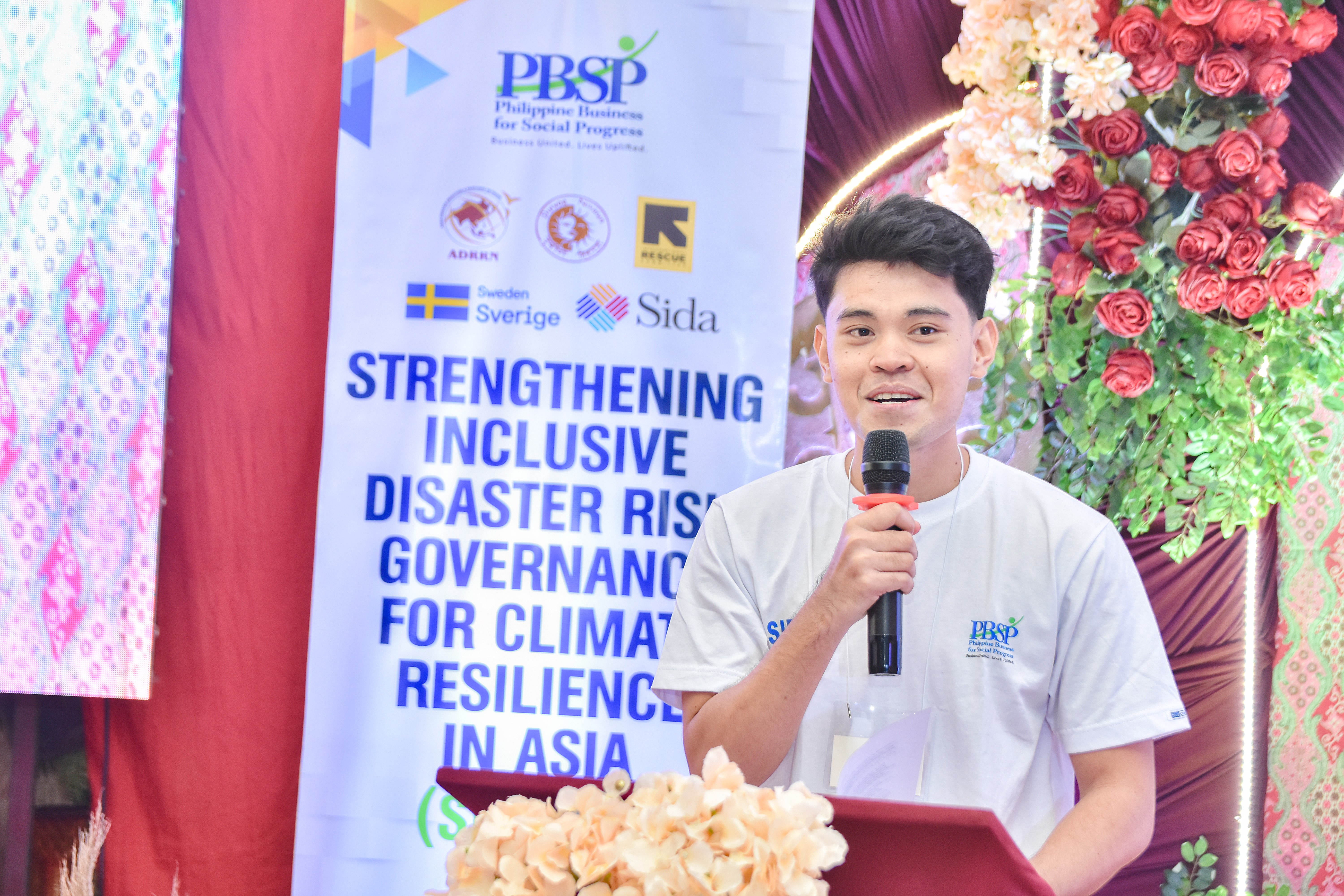
"Bilang isang indibidwal, natutunan ko na ang isang pagiging community organizer ay hindi lang po gawain o trabaho ng isang propesyonal or ‘yung nakapagtapos ng pag-aaral, ngunit ikaw man ay isang kabataan, kababaihan or persons with disabilities, pwede rin tayo makatulong sa ating iba’ibang kapasidad. Dahil sa SIDRRA nagkaroon ako ng lakas ng loob at maging isa sa mga boses para makatulong sa aming komunidad," said Allang.
Ivan M. Limjap emphasized the value of shared leadership and sustained collaboration in creating more effective and responsive systems at the local level. He also recognized the long-standing support of the BARMM government that helped move the project’s goals forward and strengthen collective action beyond its duration.
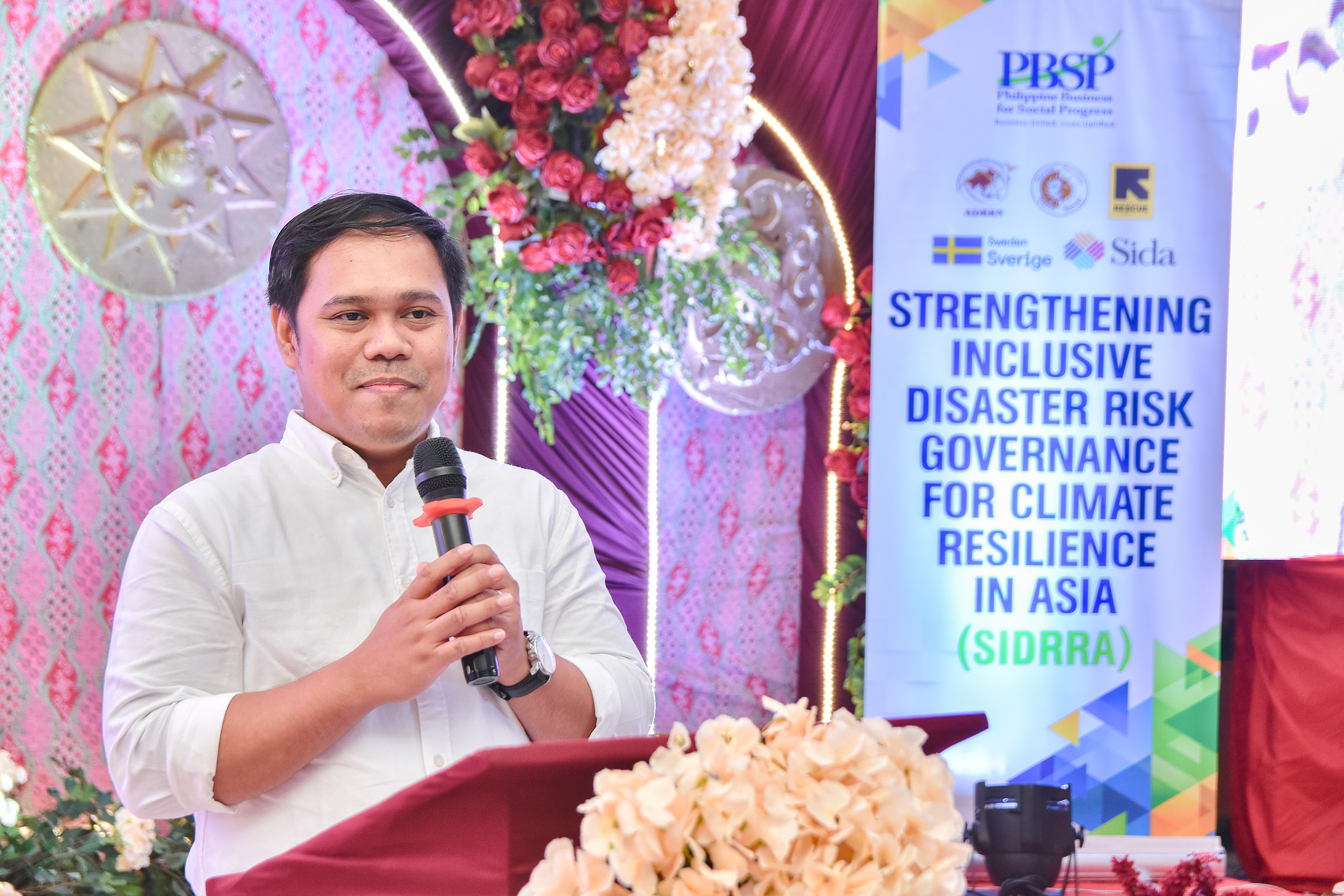
"Isa sa mga importanteng bagay na natutunan ninyo sa project na ito ay ang kahalagahan ng pagsasama ng gobyerno at local community kasi ang disaster response ay hindi lang responsibility ng government, ito responsibilidad ng mga tao sa community at ng gobyerno bilang katuwang sa pagbibigay ng mga serbisyo na dapat. Kaya nagpapasalamat ang aming organisasyon sa BARMM sa lahat ng suporta na binibigay ninyo sa PBSP from the beginning of the project until now," said Limjap.
With the completion of the project, the work and partnerships built through the initiative will continue beyond its implementation period. The relationships established, lessons gained, and approaches developed throughout the project provide a foundation for future collaboration. As partners move forward, the focus remains on strengthening inclusive disaster risk governance and supporting long-term climate resilience efforts across communities.

PBSP recognized three companies who have made significant headway in utilizing RE in their business operations the past year.
Read MoreAfter two years of collaboration with communities, organizations, and local governments, the Strengthening Inclusive Disaster Risk Governance for Climate Resilience in Asia (SIDRRA) Project formally marked its closeout through a gathering of partners, implementers, and stakeholders.
Read MorePBSP members and various donors and partners distributed relief assistance to community partners.
Read More